
by Sweta Waghlea
photos by Kathleen Gerber, Photographers Without Borders
When people ask what a woman needs to build a better life, the answer depends on who you ask. A teacher says school. A nurse says a clinic. A neighbor says a safe place to sleep. They’re all right, but none of those alone is enough.
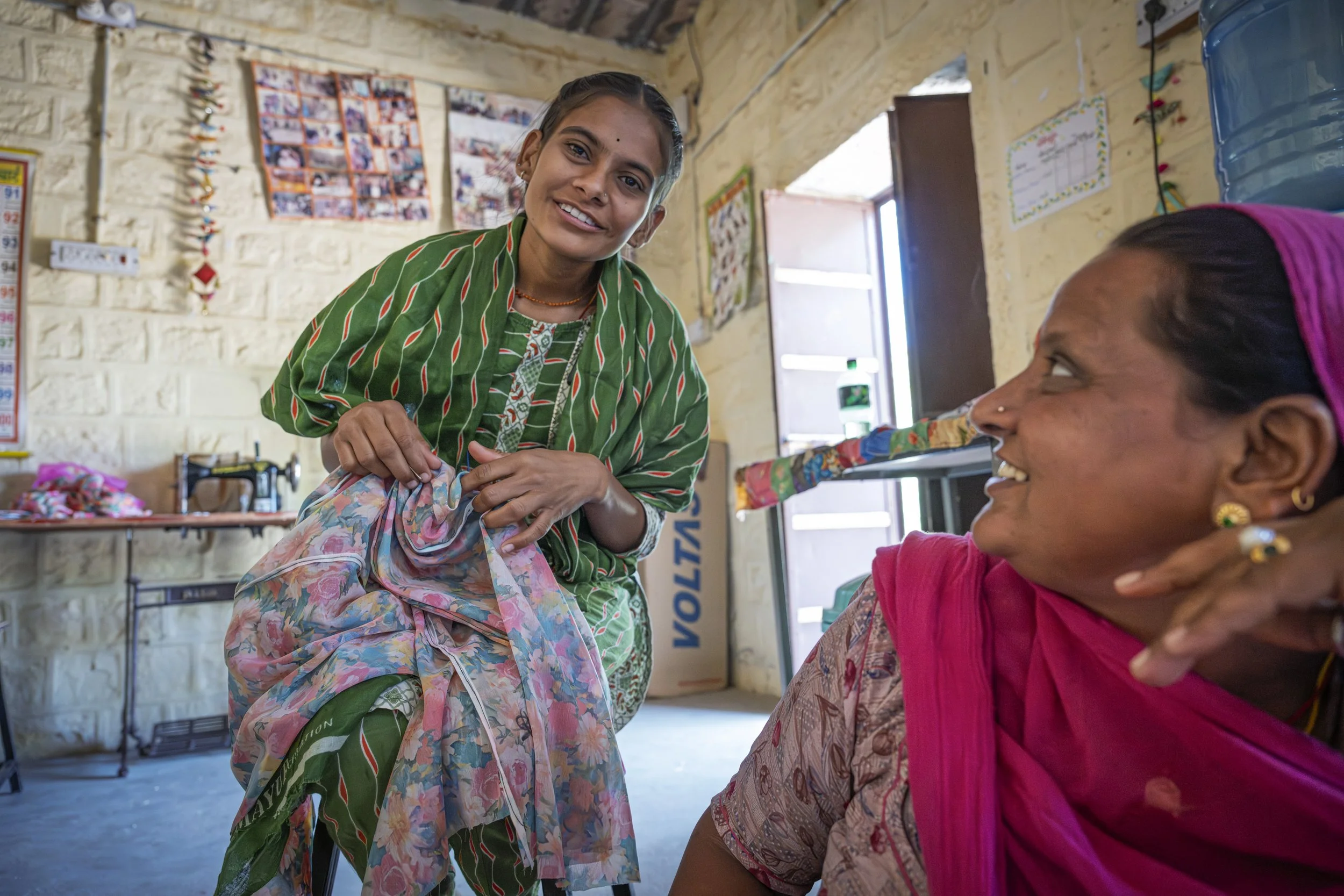
That’s why Sambhali takes a holistic approach. Education doesn’t end poverty by itself, and vocational training can get stopped in its tracks if a woman is afraid to go home, is sick, or doesn’t know her legal rights. Sambhali Trust’s programs work together because the barriers faced by the women and girls in its programs are connected.
How it started
Sambhali didn’t begin with a five-year plan. It began with founder Govind Rathore, who saw the struggles of the women and girls around him and decided education was a good place to start. He offered to tutor two little girls whose mother worked in his family’s guesthouse. The next day, 18 women and girls showed up.
From there, the first Empowerment Center was established. Women and adolescent girls learned to read and write, trained in sewing and embroidery, and found a safe space to talk and build sisterhood. They gained the courage to speak up for themselves and each other. Sambhali Trust staff listened, and its programs grew in response.
Understanding Interrelated Needs
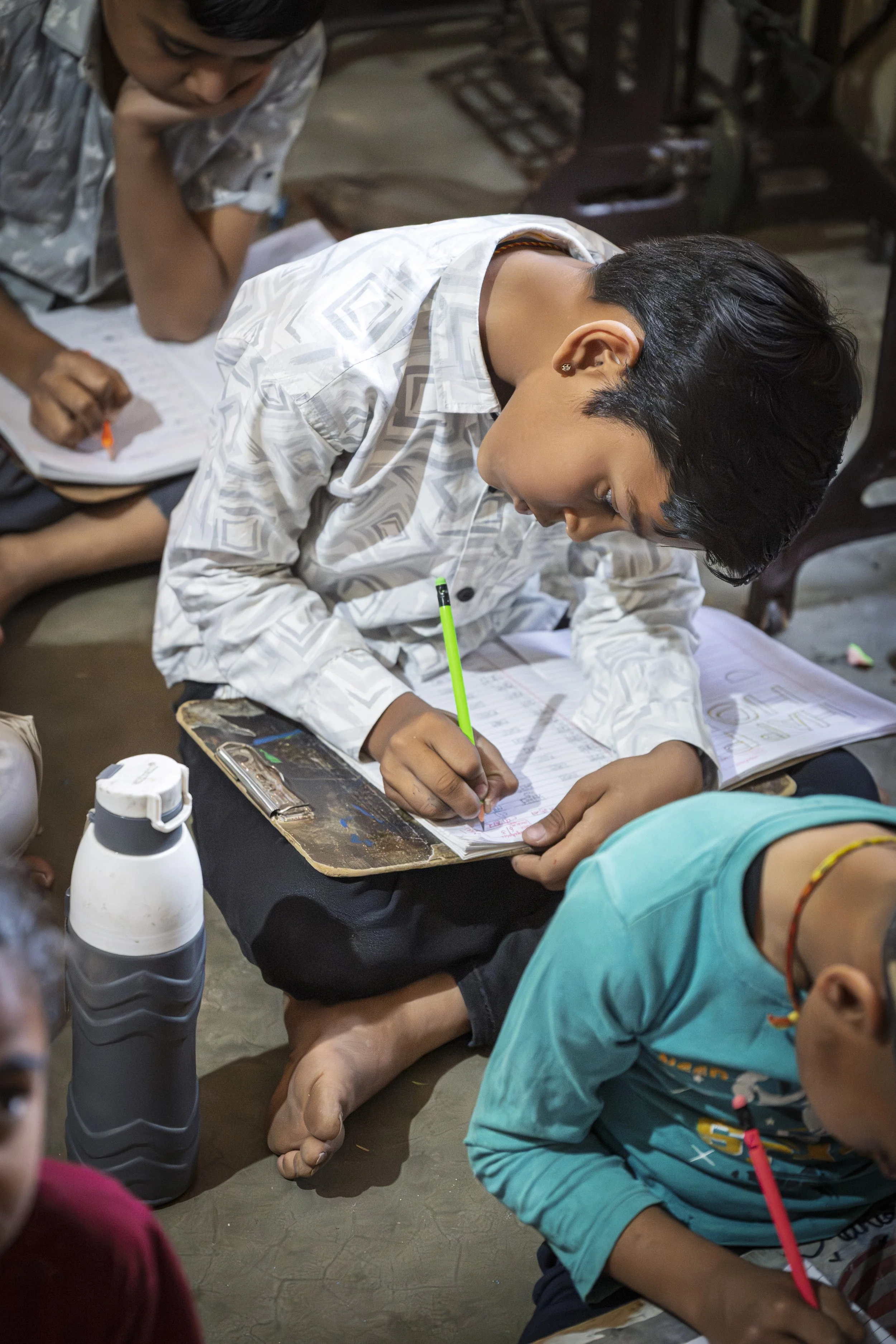
Mothers in the Empowerment Centers wanted their children to also have opportunities to learn, so the same buildings that house Empowerment Centers in the mornings became Primary Education Centers in the afternoon where children gain the skills to thrive in school and an equally important life-long joy of learning.
Some rural families of girls in the Primary Education Centers wanted better schools and a safer place for their daughters, so Sambhali Trust opened boarding homes in Jodhpur where they gained access to a good education along with daily tutoring, supplemental classes, and leadership training. When those first girls became the first in their families to finish secondary school, they led by asking to go on to college, and a young women’s boarding home was added.
It was a young mother in the second year of the Empowerment Center program who first sought help from Sambhali in confronting domestic violence. Then came the gender-based violence helpline. One day, a woman showed up at Sambhali Trust’s office after being badly beaten. She had no money on her phone and had been trying to reach Sambhali for help. Realizing a woman in danger should never face this barrier, Sambhali added a toll-free number. From the women who came forward, it became clear that advice over the phone was not always enough, so a psychologist and a lawyer were added along with a community outreach and an education program because women also needed to know their rights.
In similar fashion, Sambhali Trust created the other wraparound programs that enable education and financial empowerment to take root, the most recent being the Sathi health program, inspired by the needs of those in Sambhali’s other programs to have the good health needed to learn and prosper.
Why Sambhali Trust does it this way
Organizations working in developing countries typically focus on one area of need be it education, economic development, safety, or health. That may be the best approach in a place where other services are readily available. But that isn’t the case in the communities that Sambhali Trust serves. If Sambhali fixes one problem and ignores the others, the progress tends to fall apart. A woman who learns to sew but can’t leave a dangerous home hasn’t been fully supported. A girl with a scholarship but no safe place to live may not finish school. A teenager trying to be the first woman in her family to finish secondary school can have her plans thwarted by falling asleep in class because of anemia.
Sambhali can’t do everything for everyone, and that’s hard. But by listening closely and connecting its programs, it provides the essential tools women and girls need to build healing, resilience, economic strength, and confidence—to become someone who can speak up for what she needs.