By Sweta Waghlea
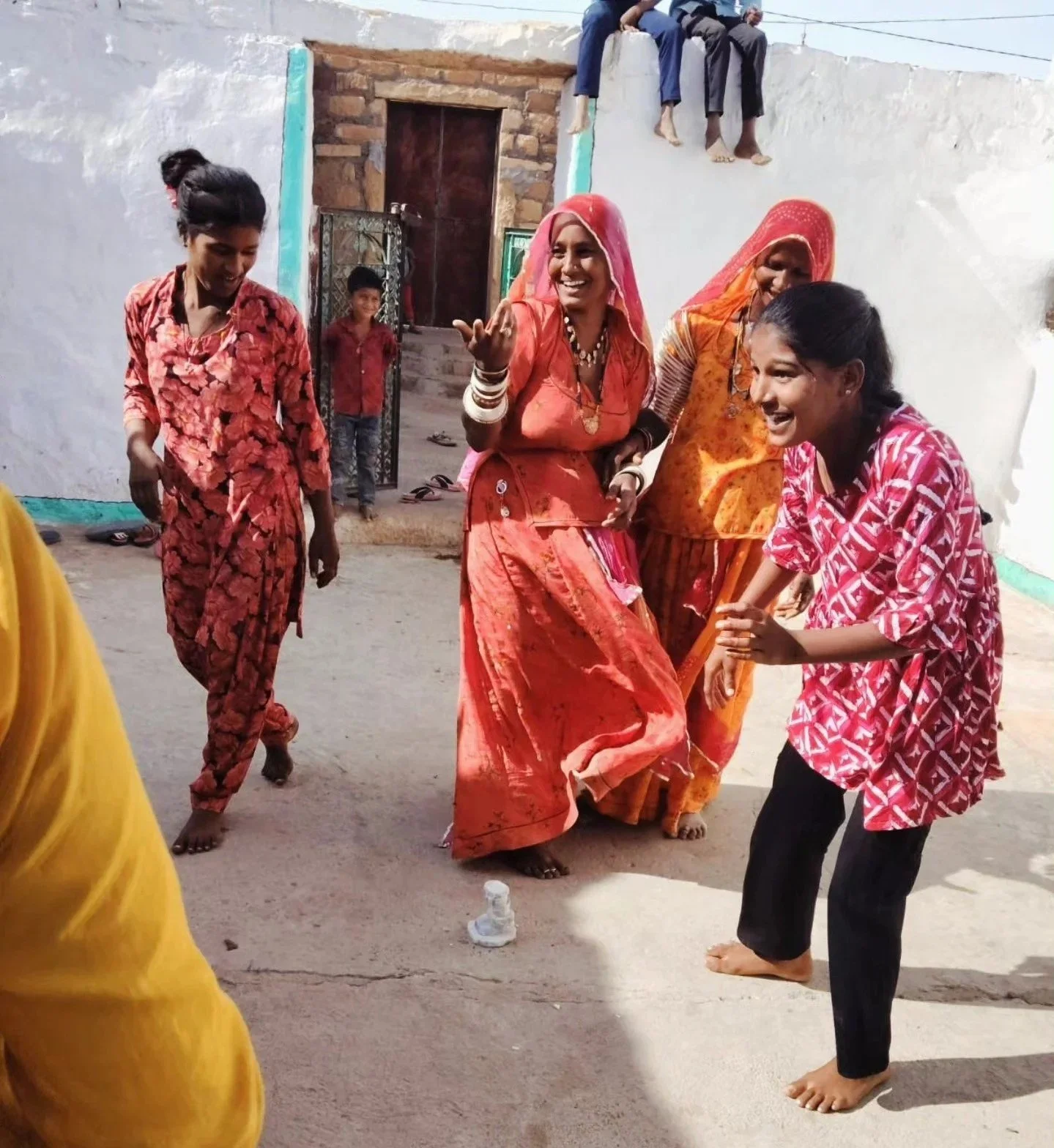
In the heart of Jaisalmer, Rajasthan, Sambhali Trust is working with the global network Girls Not Brides to transform attitudes and practices around child marriage. Girls Not Brides is an organization that brings together over 2400 civil society member organizations in nearly 100 countries working collectively to end child, early, and forced marriages and unions so that girls can fulfill their potential.
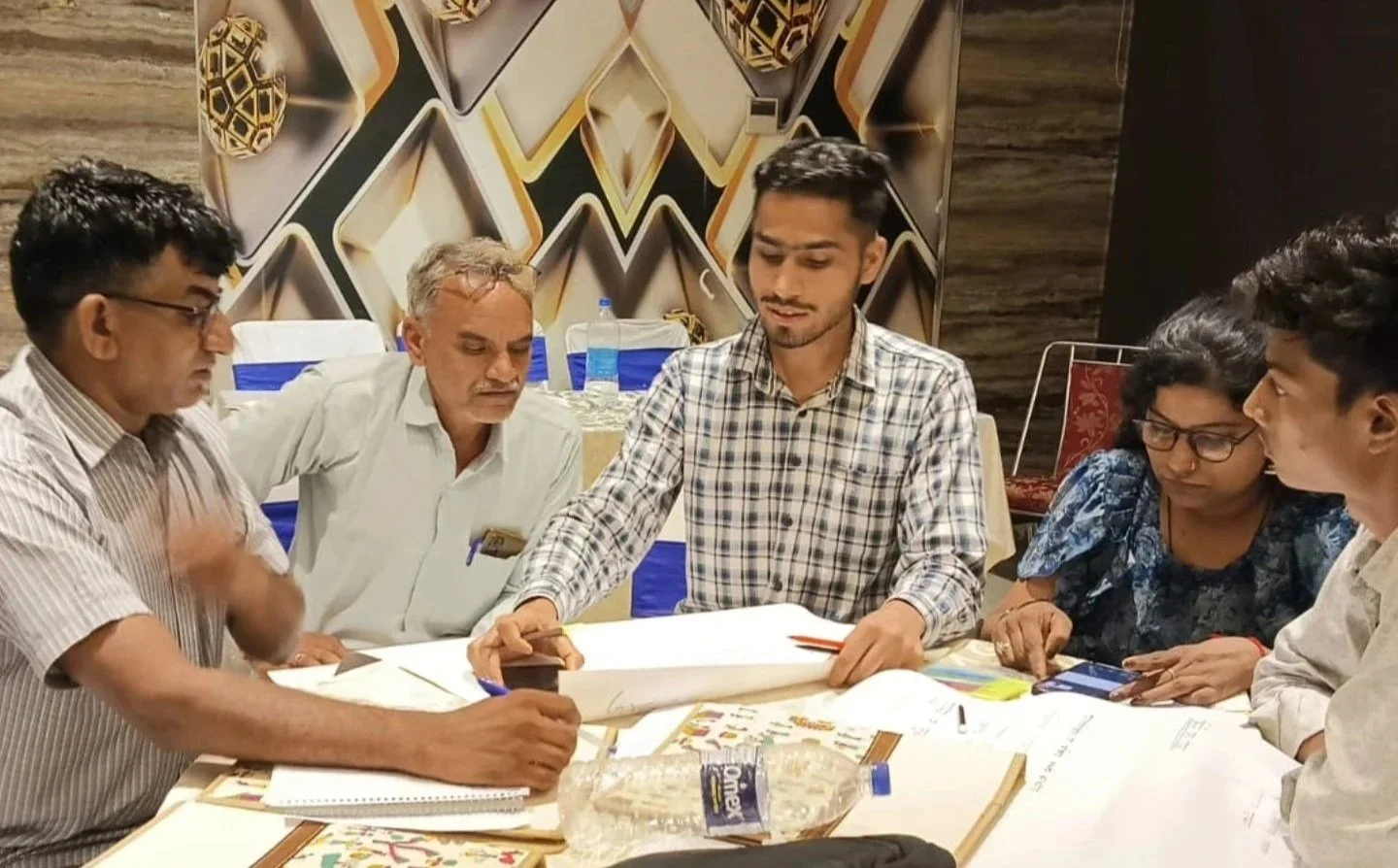
Sambhali's partnership with Girls Not Brides over the last several years and across its service areas has strengthened the organization's already active prevention work. One of the key figures behind Sambhali’s initiatives is Bhom Singh Bhati, Project Manager and Coordinator of Sambhali Trust’s Jaisalmer program. Bhom Singh works closely with local communities to strengthen prevention efforts across the region. "By joining Girls Not Brides, we gained valuable guidance, new perspectives, and a strong support system to improve our work," Bhom Singh explains. The collaboration has been transformative, offering Sambhali opportunities to learn from organizations worldwide and refine their community-based approaches.
Child Marriage in India
A 2024 Girls Not Brides report on India revealed:
India accounts for 1/3 of all cases of child marriage in the world.
In 2021, 25% of Rajasthani women aged 20-24 were married before age 18, the legal age for women to wed.
Girls from poor households, with less education, and living in rural areas are most at risk. The prevalence of child marriage in Indian households with no education is 48%, while in households with secondary or more education the rate is 19%.
Child marriage is a complex problem related to many different factors, including poverty, hunger, education, health care, clean water and sanitation, gender norms, sexual violence, labor markets, and economic growth. Yet we know that increasing girls’ access to at least 12 years of inclusive and quality education, skills and vocational training has been shown to be an effective strategy to delay marriage. We also know that change is possible and policy matters. Between 2005 and 2021, the proportion of women aged 20-24 in India who were married before age 18 declined by 24 percentage points, from 47.4% to 23.3%.
Girls Not Brides (2024): Child marriage and the Sustainable Development Goals in India: Harnessing the power of collaboration. https://www.girlsnotbrides.org/learning-resources/resource-centre/child-marriage-and-the-sustainable-development-goals-in-india-harnessing-the-power-of-collaboration/
Learning from the Ground Up
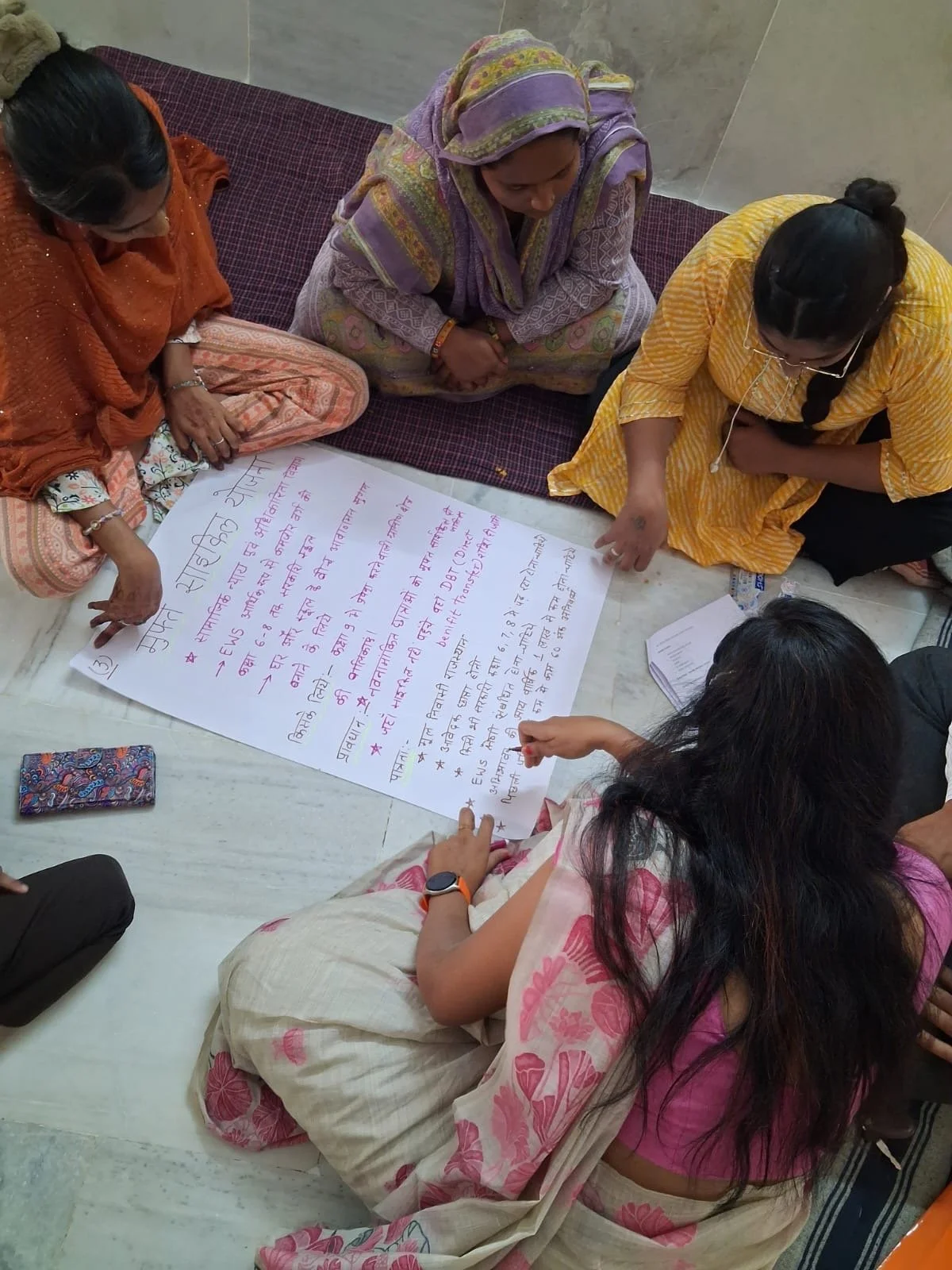
Recent Girls Not Brides workshops emphasized that preventing child, early, and forced marriage requires the active involvement of entire communities, not just awareness campaigns. This learning reinforced Sambhali's ongoing work in family counseling, education support, and coordination with local stakeholders, while also motivating the team to refine its planning and focus.
Sambhali’s Jaisalmer Program engages directly with participants in its own programs as well as other families, schools, panchayats (village councils), women's groups, and government departments. This grassroots work addresses the misconceptions and barriers that communities face when discussing child marriage. Through education, awareness-building, family support, and girl empowerment programs, Sambhali creates sustainable pathways for change.
Community-level engagement remains central to this effort. Misconceptions rooted in tradition, social pressure, and economic insecurity often sustain child marriage practices. By addressing these barriers directly through dialogue and support, Sambhali works to shift attitudes from within rather than imposing change from outside.
Signs of Progress
Despite the challenges, there are clear reasons for hope. Sambhali sees success in girls staying in school, families questioning harmful traditions, and communities actively protecting their daughters' futures. Achieving this requires sustained donor support, cross-sector collaboration, and a long-term commitment to the belief that change is possible.
Progress is measured not only in numbers but in the stories of lives being transformed. As Bhom Singh reflects, "Seeing girls continue their education, grow in confidence, and receive support from their communities is the strongest reminder of why this work matters and why a collaborative, community-driven approach is the most powerful path toward ending child marriage.