Vice President’s Reflection: What It Means to Be Seen
by Ginka Poole
photos Kathleen Gerber, Photographers Without Borders
What does it mean to be seen?
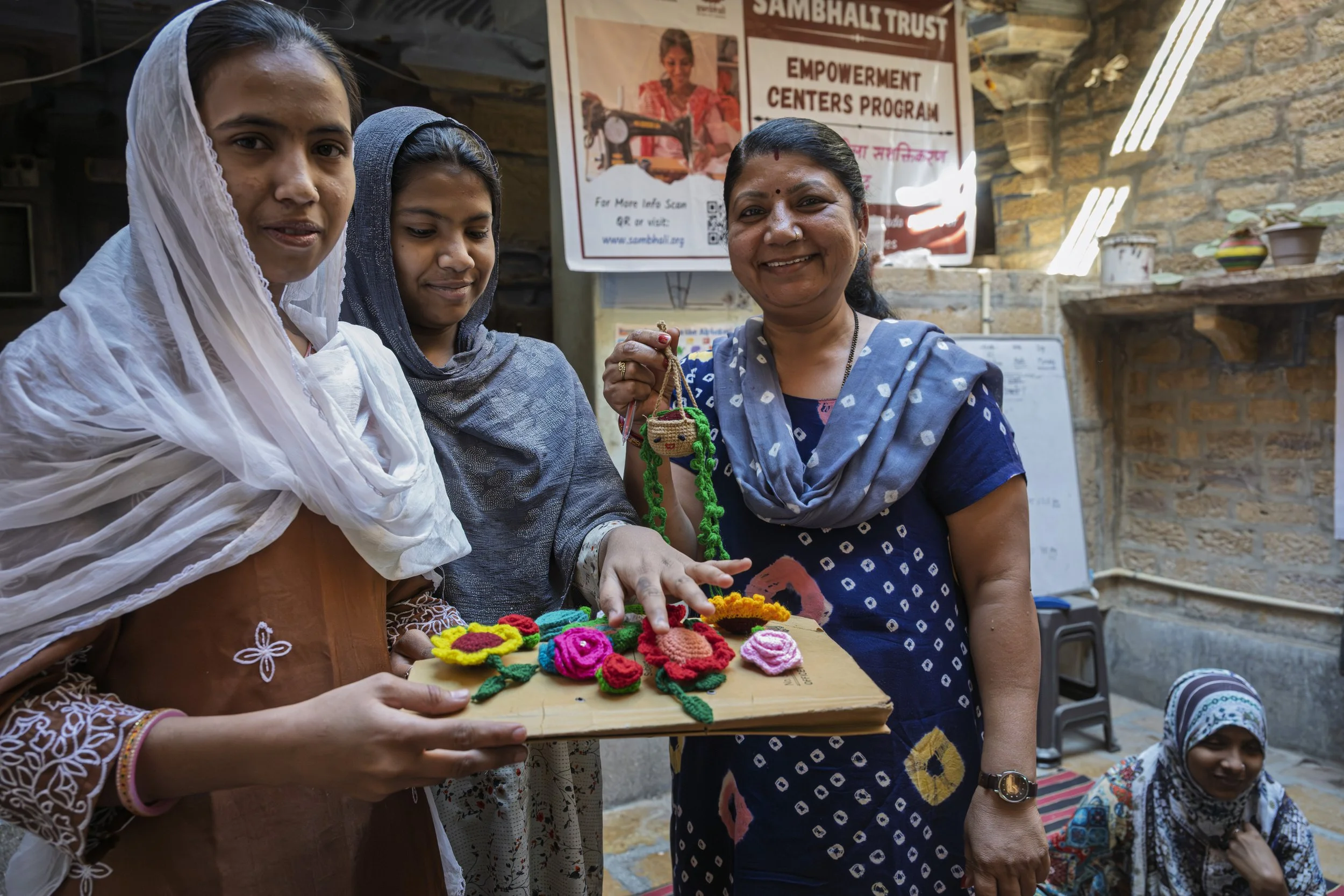
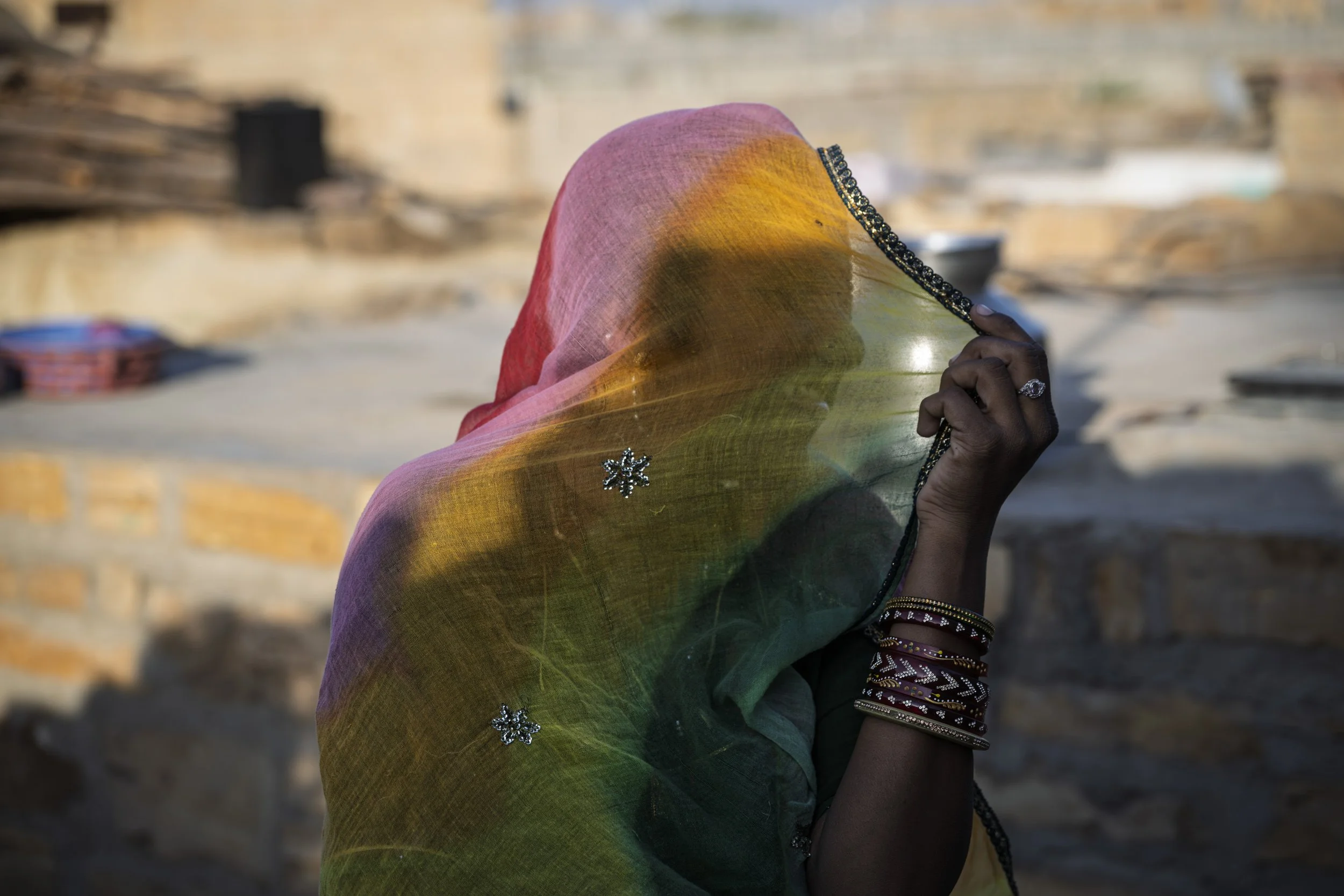
At Sambhali, being seen is not about visibility for its own sake—it is about recognition, dignity, and the quiet but powerful shift that happens when someone’s story is acknowledged as worthy of attention.
I think of the LGBTQIA+ participants in Garima, whose actions remind us that visibility can be both vulnerable and transformative. To be seen as your full self—especially in spaces where that has not always been safe—creates the possibility of belonging. It tells participants that their identities are not something to hide, but something to honor.
I think, too, of the asylum seekers in Jaisalmer. Many have crossed borders under unimaginable circumstances, only to find themselves in places where they must strive to gain visibility—legally, socially, and economically. Through Sambhali’s work, their stories are documented, their voices recorded, and their experiences affirmed. Being seen, in this context, becomes a first step toward rebuilding a life with dignity.
This year, that act of “seeing” reached a global stage. At the 61st session of the United Nations Human Rights Council in Geneva, Sambhali carried these stories from the desert to the world.
That visibility is also growing closer to home. Sambhali U.S. President Shereen Arent was recently featured in The Optimist Daily, highlighting the organization’s impact in uplifting more than 80,000 individuals in India. The story’s reach led to Sambhali being featured on The Optimist Daily Podcast, extending these conversations even further and bringing Sambhali’s mission to new audiences.
For Sambhali Trust’s founder, Govind Rathore, being seen at this level is profound. It affirms that grassroots voices belong in global conversations.
And for all of us, it is a reminder: every act of support helps ensure that someone, somewhere, is no longer invisible.