Becoming Part of the Garima Family
By Janet Marstine
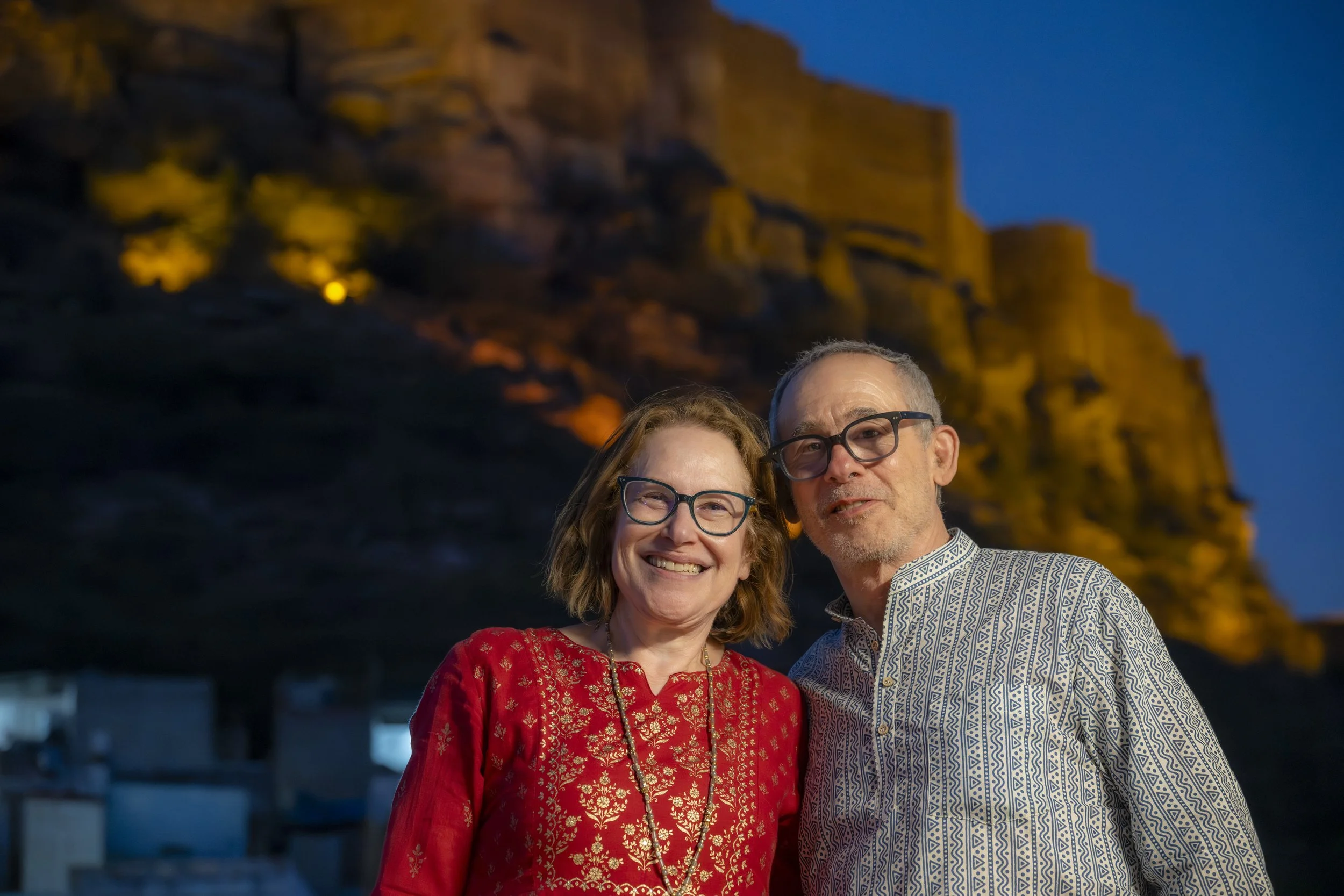
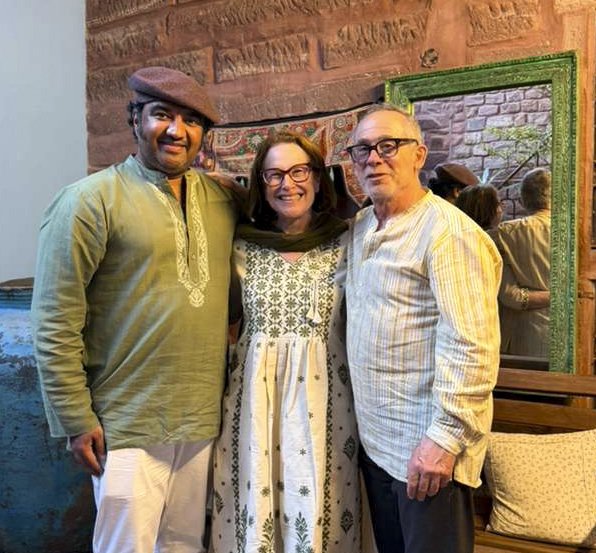
Our lives were changed forever when, on a whirlwind tour of India 18 months ago, my husband Mark Polishook and I made a brief visit to Sambhali Trust, where we met Virendra Chouhan, Strategic Representative at Sambhali Trust. We were instantly drawn in by Virendra’s characteristic hospitality and his introduction to Sambhali’s impressive history of empowering women and girls. When he paused and added that Sambhali was developing a newer program for gender minorities, we knew it was kismet that brought us there.
I responded by sharing that my brother, Clay, was transgender and died of a heroin overdose in 1996 when he was 28 and I was 37. I told Virendra I felt deep regret for not fully understanding Clay in those days and that I wished I could turn back the clock to respond more sensitively with what I know now about transgender experience.
Virendra listened and then said that Sambhali Trust founder Govind Rathore would want to meet us.
As I repeated my story to Govind, his knowing smile signaled we’d have a place and a purpose at Sambhali. Our heads were full of possibilities as he shared details of Sambhali’s Garima (Dignity) program for the LGBTQ+ community, introduced us to several members of the community, and suggested we return to volunteer. Govind explained the many ways that queer people in India are stigmatized, abused and denied human rights. He was thrilled to learn of Mark’s 25 years of participation in martial arts and suggested he could teach self-defense to both Garima and the women at Sambhali’s Empowerment Centers. Govind recognized I could also be a useful contributor but that we’d need to explore the possibilities by Zoom.
Upon our return to the US, Mark and I began every-other-month Zoom meetings with Govind and Sambhali U.S. President Shereen Arent, who helped us bridge the worlds of southern Maine and western Rajasthan. Together, the four of us devised a curriculum that involved a beautiful collaboration between husband and wife.
In my career as an academic, I’ve taught art history and museum studies. Now retired, I’m writing a memoir about how my relationship with my brother impacted the person I am now. I knew I could leverage my art-centered and writing skills to support the Garima community. What emerged was a three-week workshop in which I would lead trauma-informed mindful journaling sessions and Mark would teach self-defense.
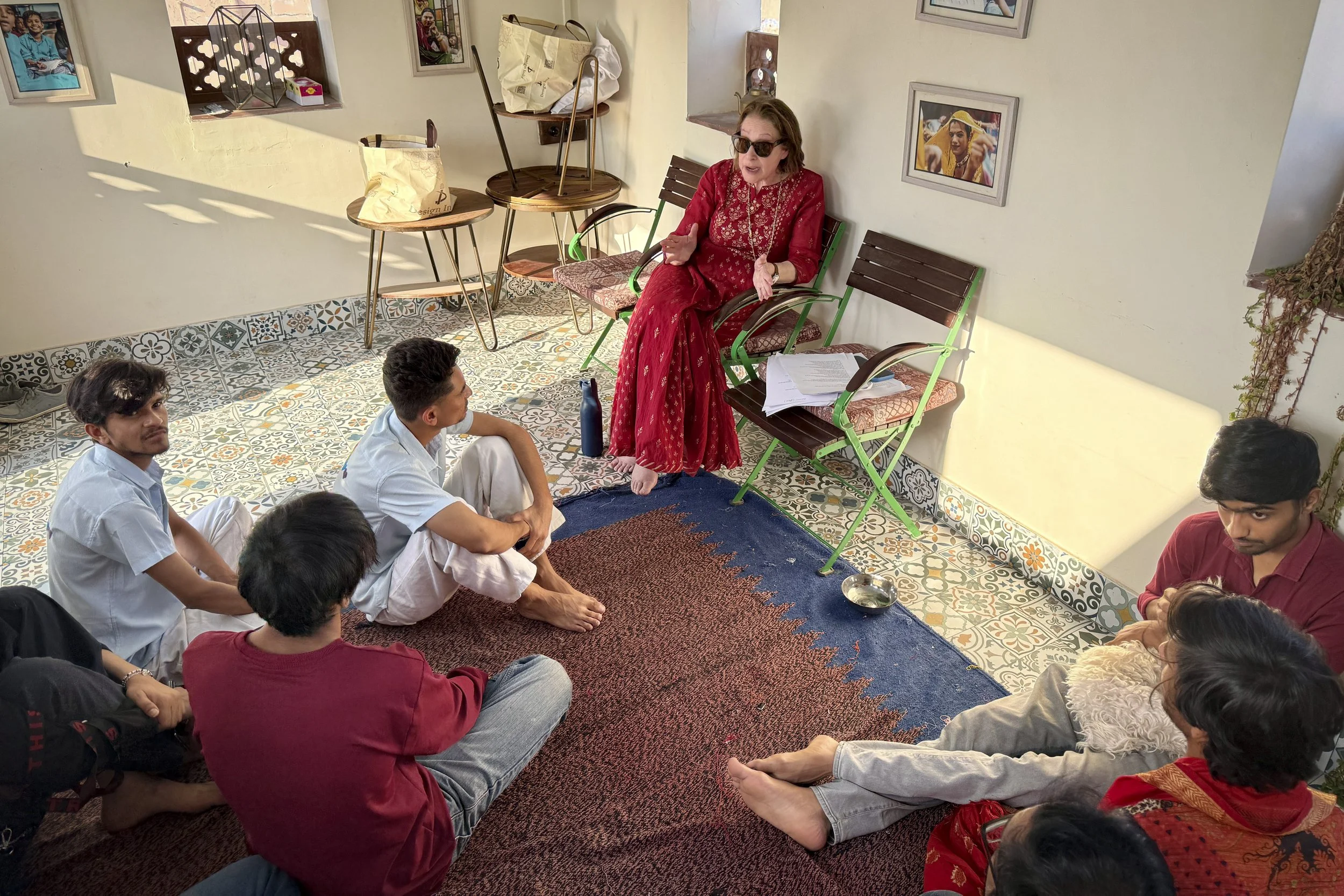
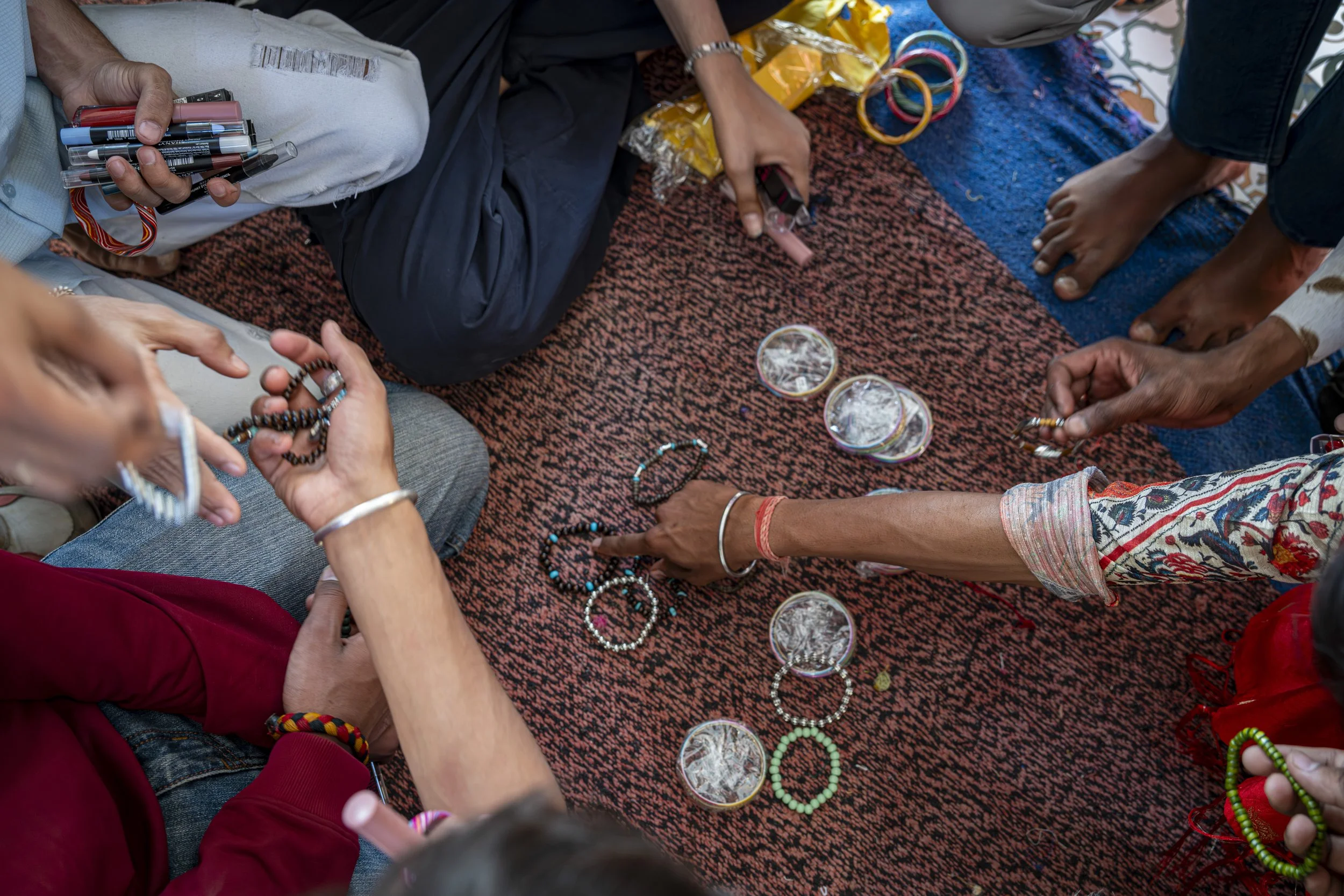
To prepare, I identified a series of mindfulness exercises and writing/art-making prompts to bring to workshop participants. I hoped the mindfulness would enhance their sense of well-being and promote their abilities to regulate their emotions. I expected the journaling to sharpen their skills in self-reflection and creative expression. Meanwhile, Mark devised a curriculum that defines self-defense as a realistic means of protecting one’s dignity and safety, as opposed to martial arts which are typically centered on sports fighting. The key principle is, when facing danger, to escape—to hide, walk or run away—whenever possible—rather than engage. He planned lessons to demonstrate diverse means of escape, along with proportionate tactics of escalation, when necessary, from raising one’s voice to physical intervention. His intention was to further participants’ sense of agency, both mentally and physically.
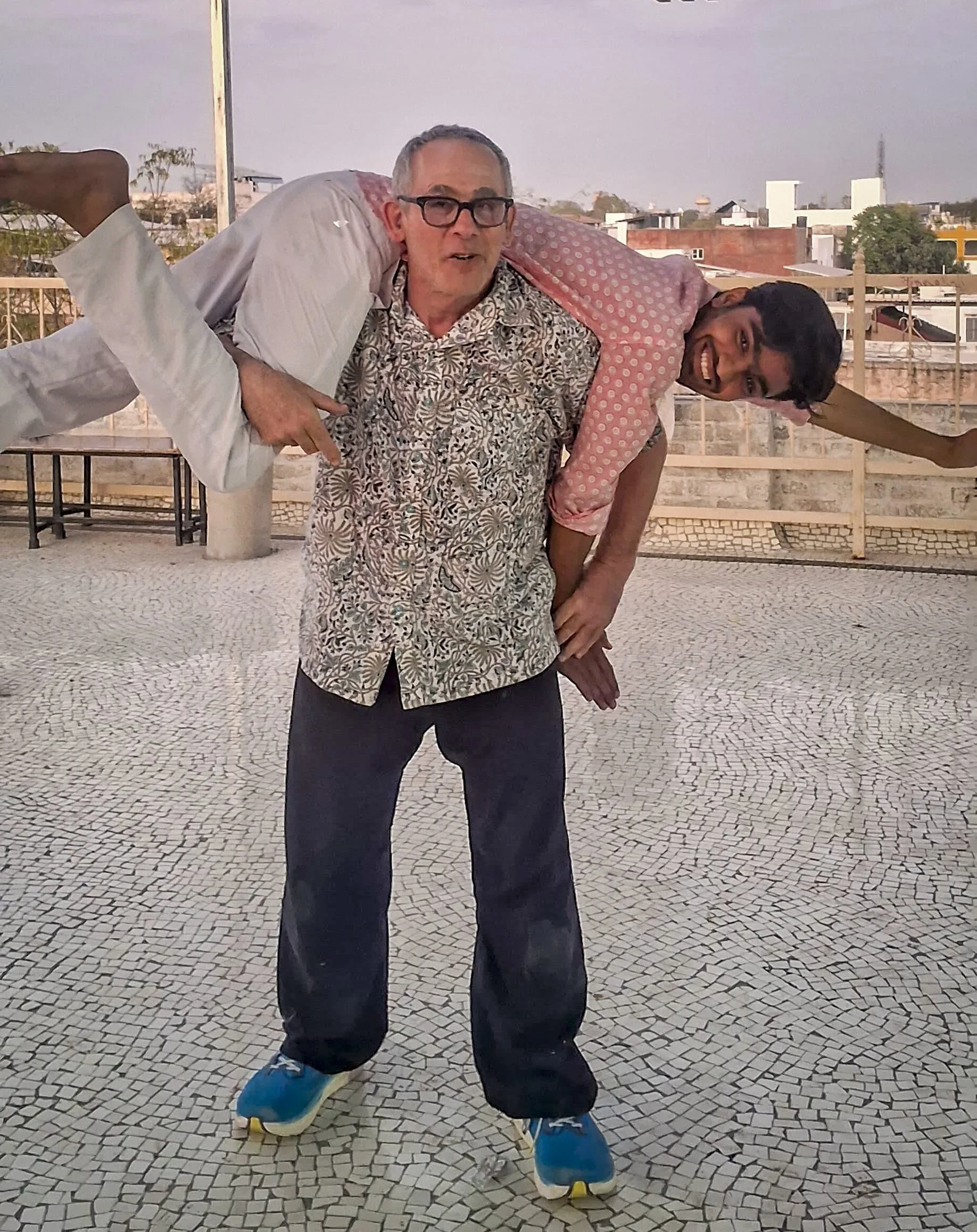
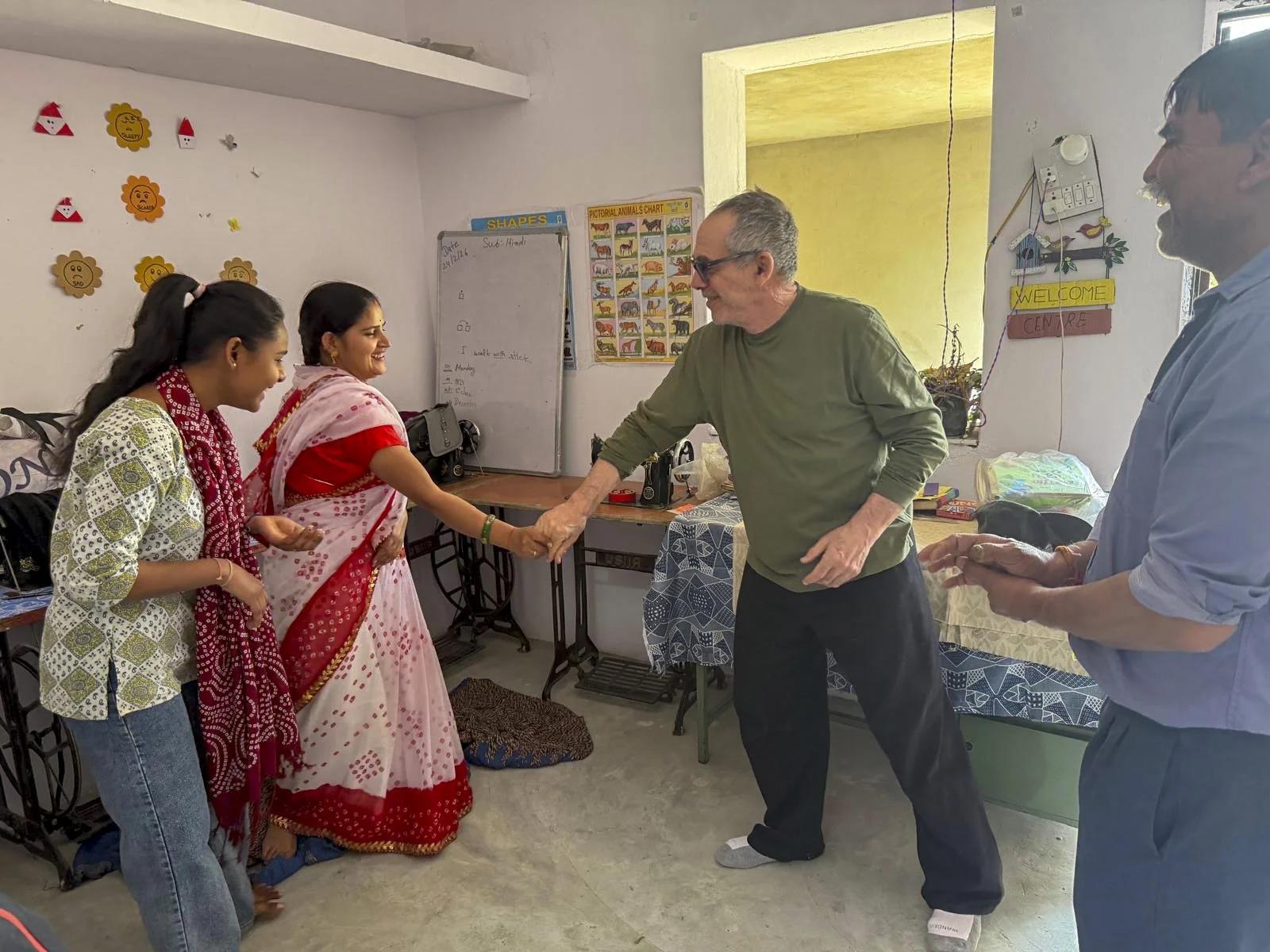
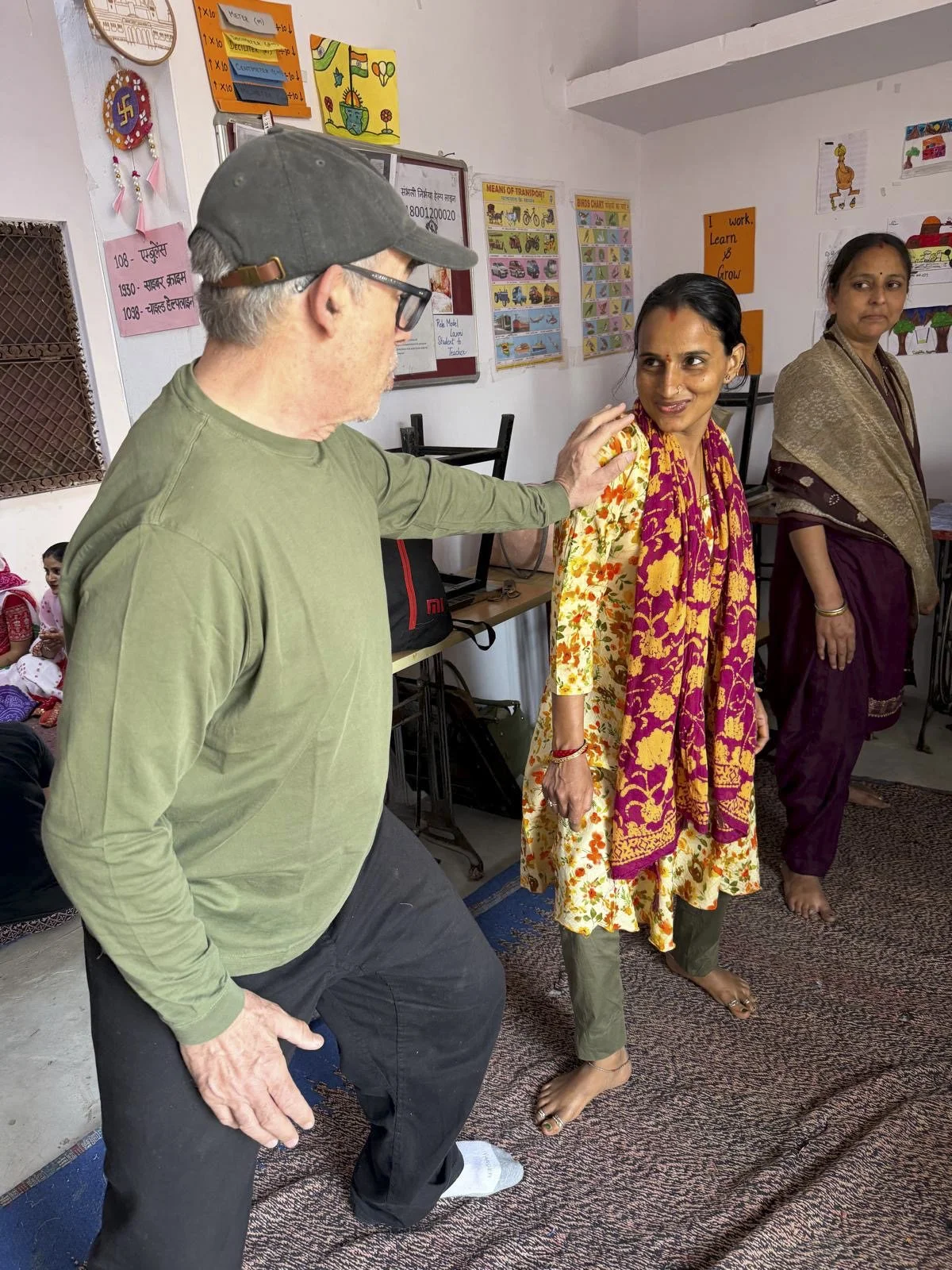
Ultimately, Mark and I had the same goal: to show participants the respect, understanding, kindness and love they deserve while guiding them to build resilience. We hoped to learn as much from them as they did from us. Govind touchingly titled the project “Workshop Clay.”
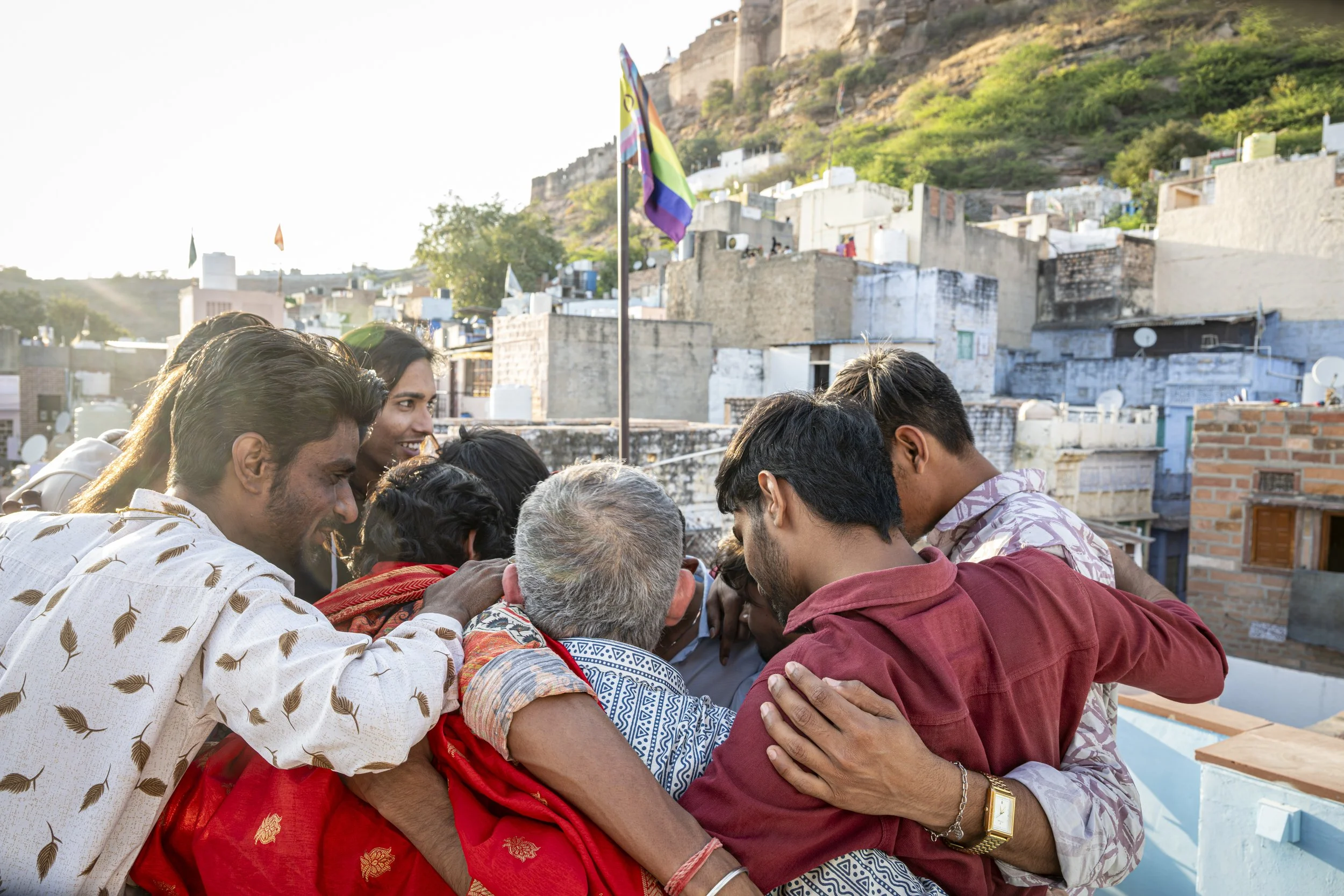
Our residency at Sambhali Trust last winter moved us in powerful ways. We worked with a small group of 11 young adults, some shy, others boisterous, but all of them smart, funny, affectionate, and gifted. We became one big family and were impressed by their actions of helping and championing one another and us.
All of them made real strides over the month. For instance, while most of the participants came with strong skills in meditation, due to their traditional spiritual practices, they learned to adapt these through relaxation techniques and guided imagery to focus on the present moment, rather than ruminating on the past or future. Many of the participants also had an artistic bent—calligraphy, bangle decoration, henna painting—but thought of themselves as bad students because they’d left school after years of bullying. The daily journaling prompts I introduced, such as “make a map of your life so far” and “draw/write about the place where you feel most secure” directed them to think independently and express themselves freely, some for the first time.
While a few of the workshop participants were talented dancers or athletes, none had ever studied self-defense and most considered themselves extremely vulnerable, without the physical might for self-protection. Mark guided them to rely on their inner strength and to be strategic, practical, and prepared in their responses to potential danger. Workshop members were surprised to discover that they had the cleverness and agility to excel.
The boundaries between my work and Mark’s were intentionally blurry. For instance, I prompted participants to write about how their bodily awareness was changing through their self-defense practice. And Mark transformed the art supplies we used for journaling, such as pens, to demonstrate how everyday objects can become tools to protect themselves.
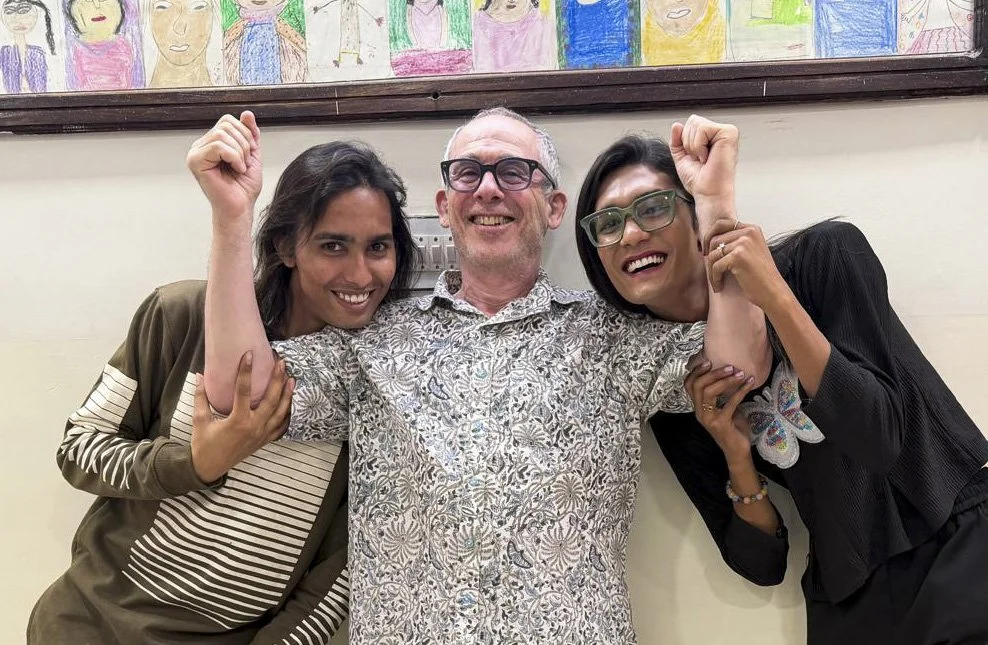
Mark and I returned to the U.S. as changed people. Working with Garima and the women at the Empowerment Centers showed Mark that teaching self-defense is a powerful means of self-acceptance. The experience also made him feel that he could better understand Clay and his struggles. The bond with Garima helped me to channel some of my happier memories of Clay, not just the traumatic ones, and to forgive myself for not being able to save him.
We’ve committed to returning to Sambhali each winter for several more years. We’ve also become donors, the first ever to give specifically to the Garima program through Sambhali U.S. We keep in touch with workshop participants through a WhatsApp group. We’re so proud of what they’ve accomplished. One of them titled her journal, “A Beautiful Soul.” That’s how we think of all the participants.